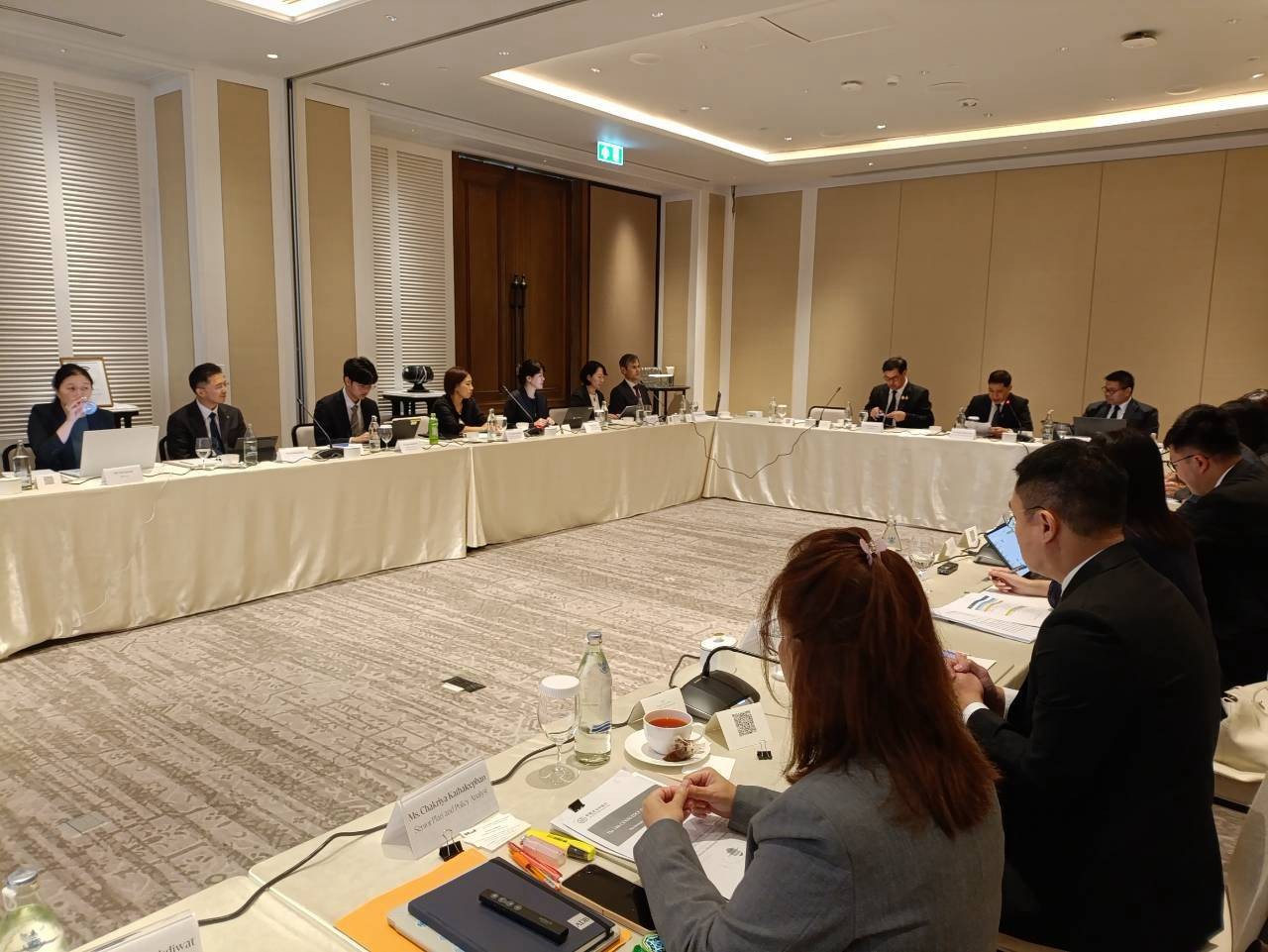
On July 21, 2026, the Neighbouring Countries Economic Development Cooperation Agency (Public Organization) (NEDA) hosted the 14th four-party meeting involving The Export-Import Bank of China (CEXIM), Economic Development Cooperation Fund (EDCF), Japan International Cooperation Agency (JICA), and NEDA. The meeting was held from July 21–22, 2026, at Dusit Thani Hotel in Bangkok, with Colonel (Ret.) Saranyu Viriyavejakul, D.Sc., Vice President and Acting Director of NEDA, presiding over the official opening ceremony.
The meeting was held under the theme “The Strategic Imperative of Project Post-Evaluation,” reflecting the direction of modern infrastructure development, which focuses not only on physical infrastructure development but also on infrastructure quality, project sustainability, and climate resilience. Participants exchanged knowledge and approaches concerning Post-Evaluation following the completion of construction projects. Discussions covered evaluation processes based on OECD DAC criteria and learning from project evaluation results, or “Lessons Learned,” to establish a Learning Feedback Loop through which information and conclusions from previous project evaluations can be applied to the design, approval, and management of future development projects.
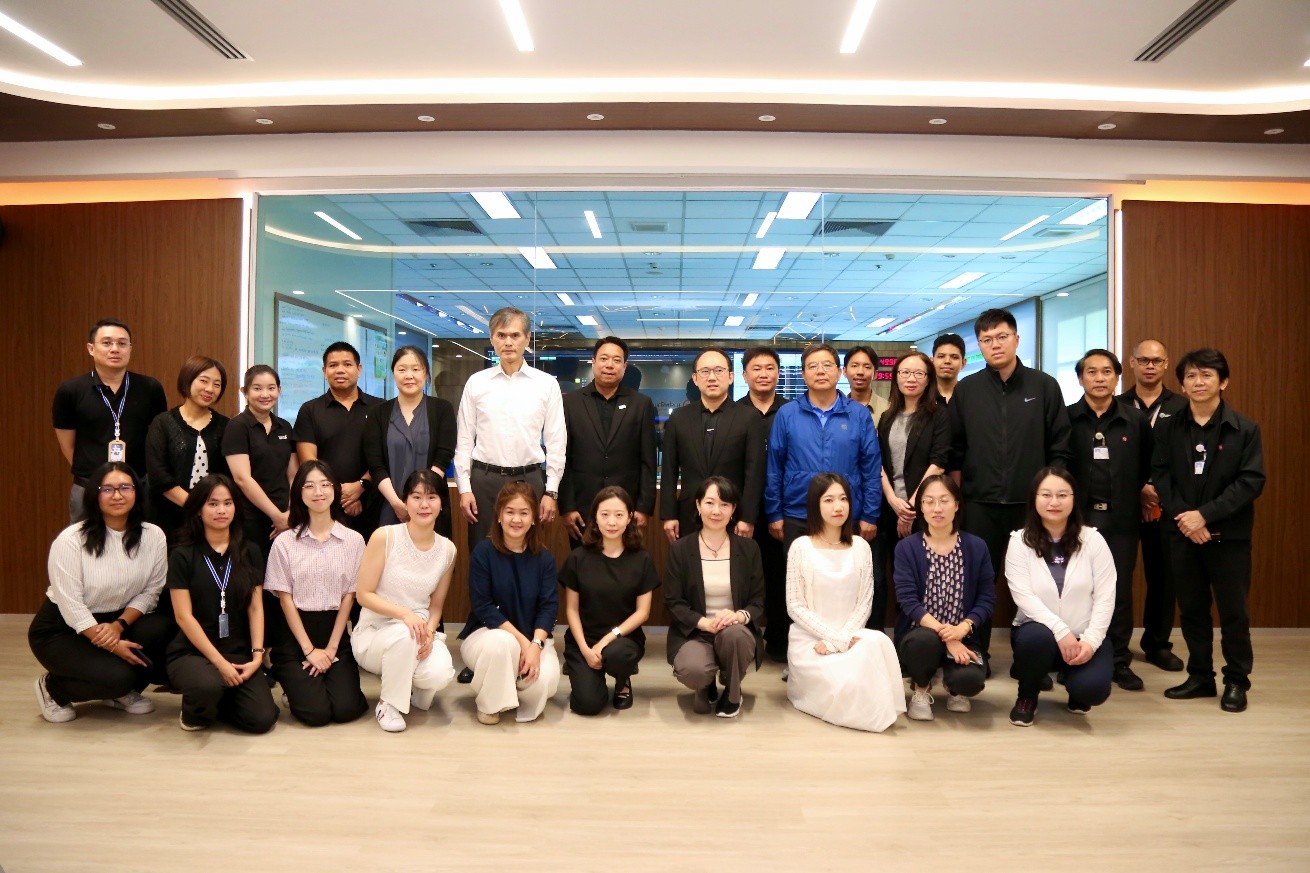
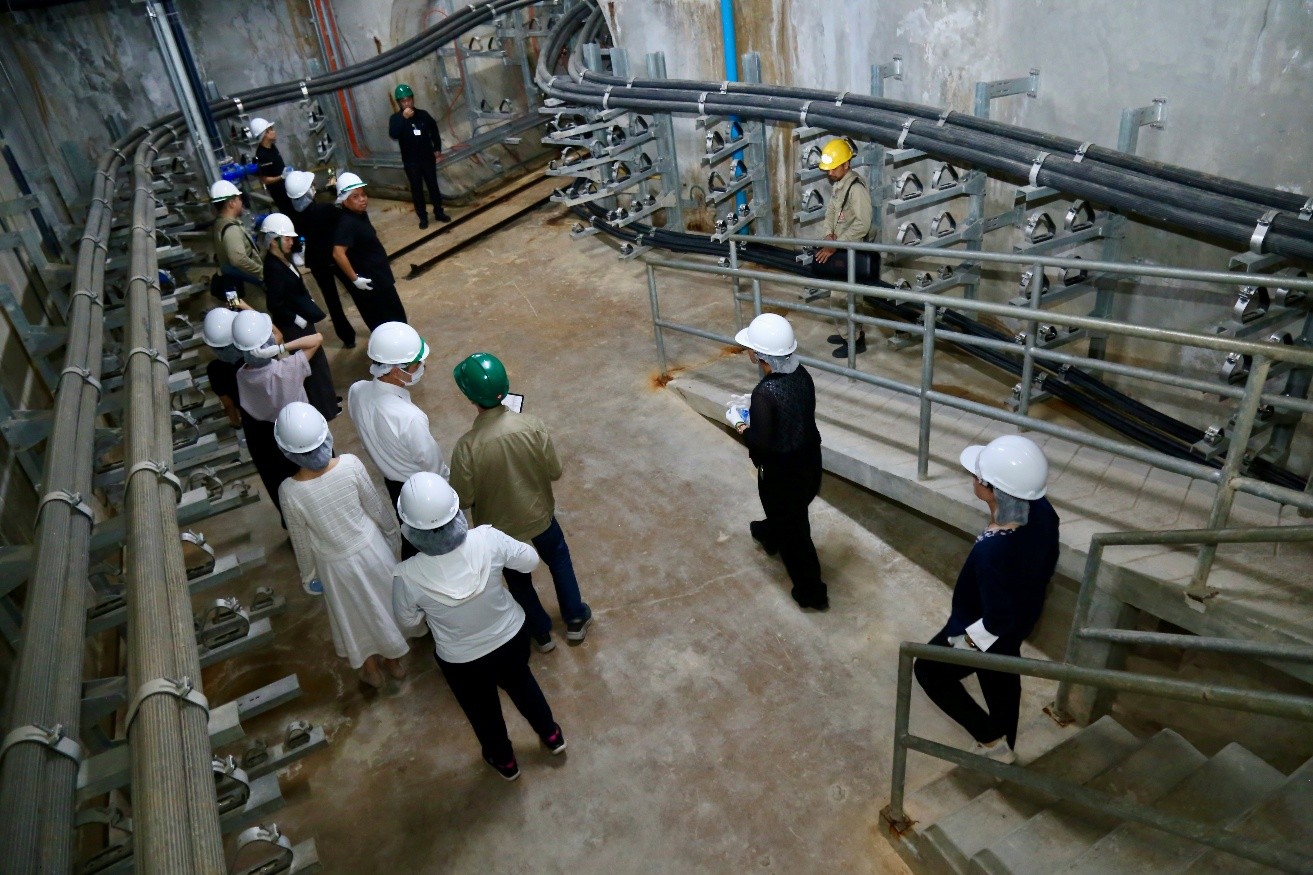
The approach aims to ensure value for money, sustainability, and maximum benefits for the region. In addition, NEDA, in cooperation with Metropolitan Electricity Authority (MEA), organized a study visit for meeting participants to MEA on Chit Lom Road and the Chit Lom underground power transmission tunnel. As a Thai state enterprise with primary responsibility for electricity distribution and management in the metropolitan area, MEA plays an important role in modernizing the capital’s electricity network.
Its notable projects include converting overhead power lines to underground systems, integrating Smart Grid technology, and operating a command and management center for the metropolitan electricity system. These initiatives represent an upgrade in urban infrastructure management and provide a valuable empirical case study for the four financial and development institutions to jointly analyze and gain concrete insights into infrastructure transformation in major cities.